

Overwhelmed? Get a second operator.
When every decision runs through you, the company moves at your pace. I have built three companies from that seat. I step in as a second operator, get you out of your own way, add just enough structure for the team to move fast without you, then step back.
Four signs you need one.
Founders rarely search for an operator. They search for the symptom. If two of these are true, the call is worth thirty minutes.
Every decision routes through you
The team waits on you for pricing, hiring and scope, and the queue grows every week.
The board update eats a weekend
It reads as a report. It should read as leadership: the numbers, the bets, the asks, on one page.
The ship date keeps moving
The roadmap changes on Monday and the release slips on Friday. Nobody owns the cadence between the two.
The runway maths lives in your head
There is a model somewhere. Nobody has opened it since an investor last asked.
- 8
- Products shipped from zero to users, with a team of up to 16
- 3
- Ventures of my own, run from the founder’s seat: Ramp Up, MedClear, MVP Guru
- 16
- Founder templates in use: investor update, runway planner, kill criteria, hiring scorecard
- 3–9 mo
- Typical engagement, until the team moves without me
How it works
Clear the fires. Find your pace. Step back.
Four steps, as light as you need them.
Stage 01
Tell me what is on fire
Bring everything that is landing on you. We find the one or two things really slowing the company, and you leave with the next move, whether or not we work together.
Stage 02
Two weeks in the trenches
I work inside the business with you: the numbers, the team, the customers. We clear the most urgent calls together, and you keep a plan for the next 90 days whether or not we continue.
Stage 03
Side by side
I stay by the month and work beside you: clearing stuck decisions, setting up the few habits the team needs, keeping product and runway moving.
Stage 04
Step back
I leave when the team keeps moving without you or me holding every thread.
The work, by name.
It starts with getting you out of the way. Each engagement adds only what you need.
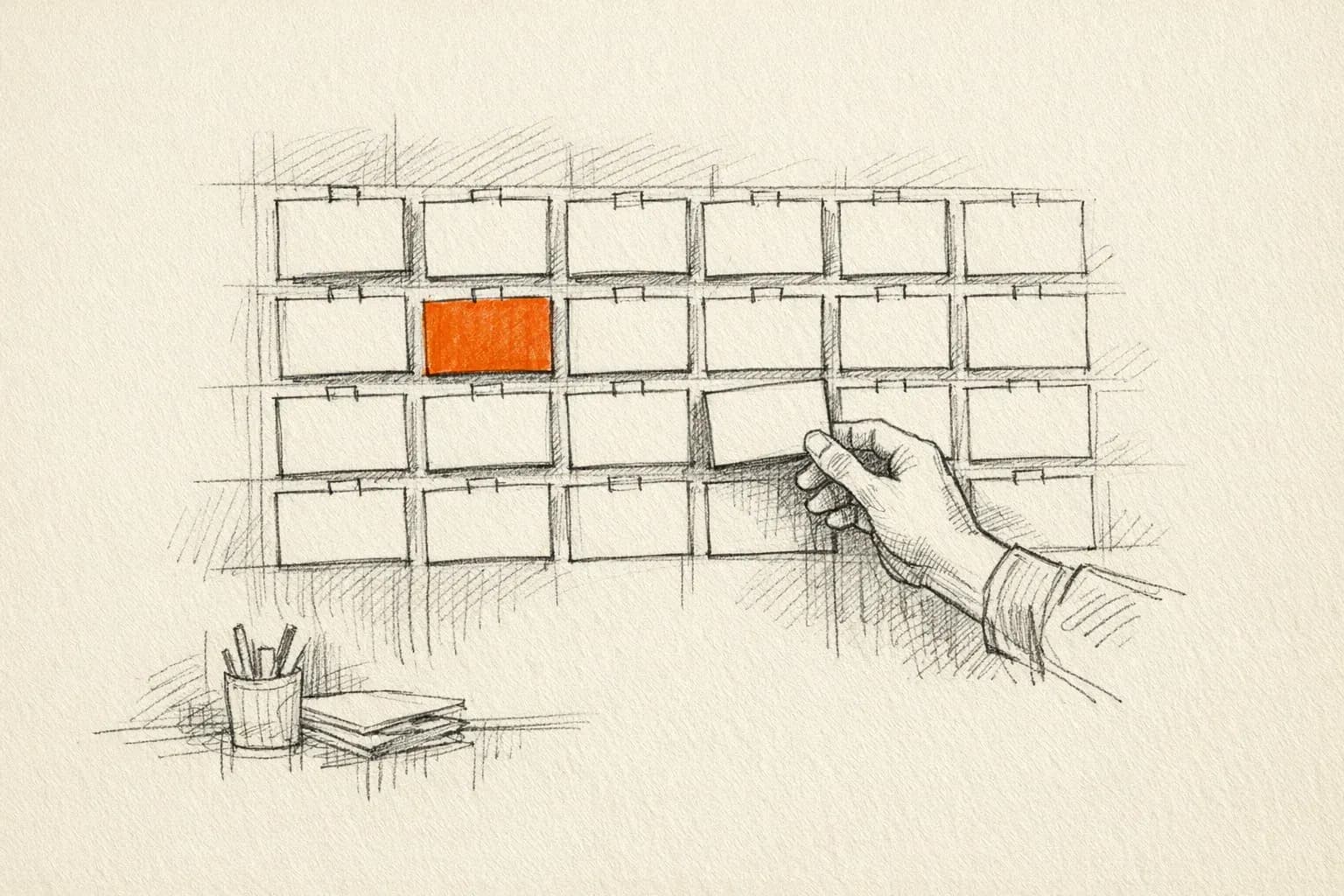
Just enough structure
A weekly check-in that ends in decisions, three numbers everyone watches, and clarity on who decides what. Light enough to change every month, so the team moves faster, not slower.
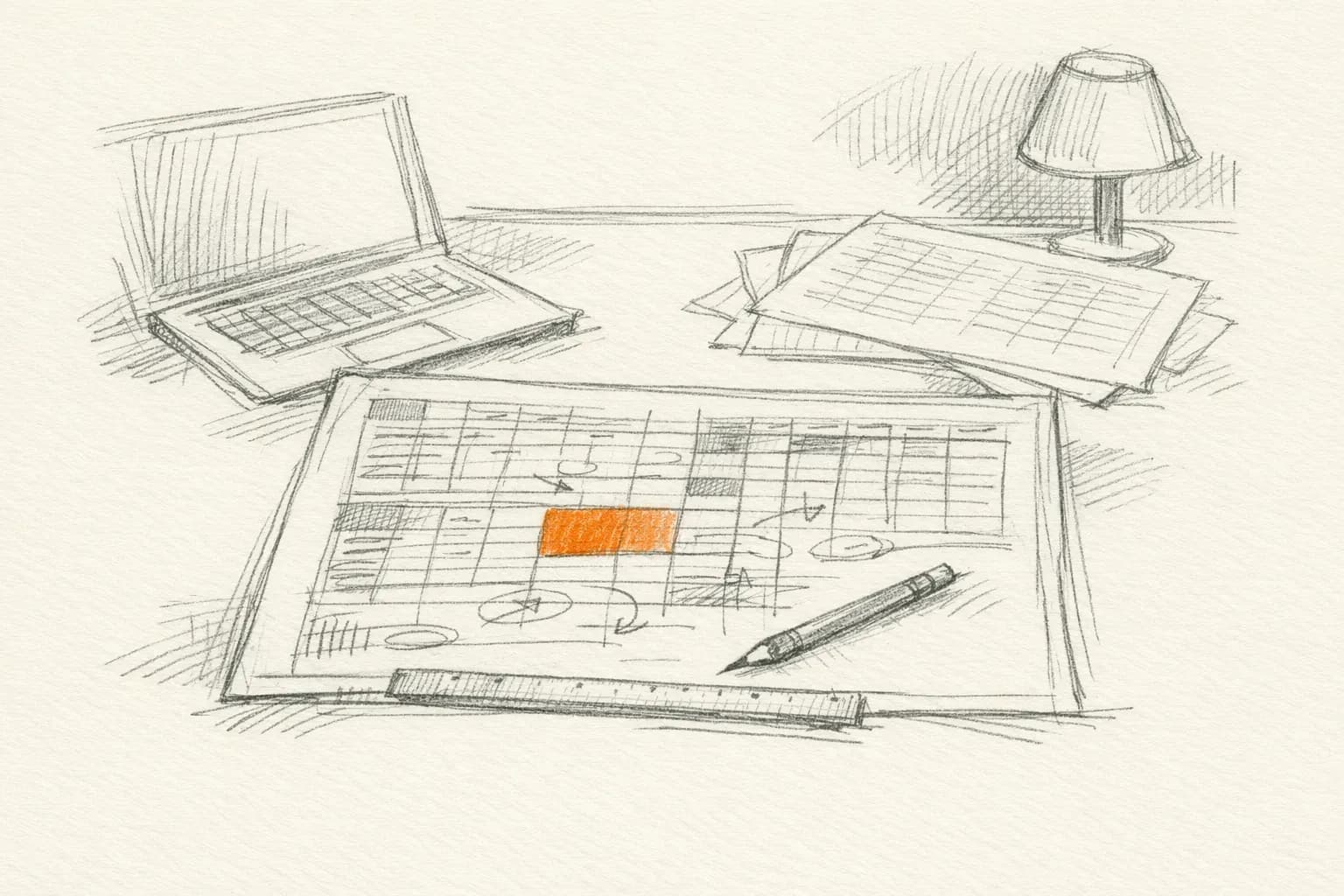
Runway and the next round
P&L, unit economics, runway maths and the next-round narrative, modelled so your board and your next investor can both check the working.

Product that ships
Ship-ready MVPs, test architecture and the first ten customers. Eight products shipped with a team of up to 16. Ramp Up, MedClear and MVP Guru are mine.
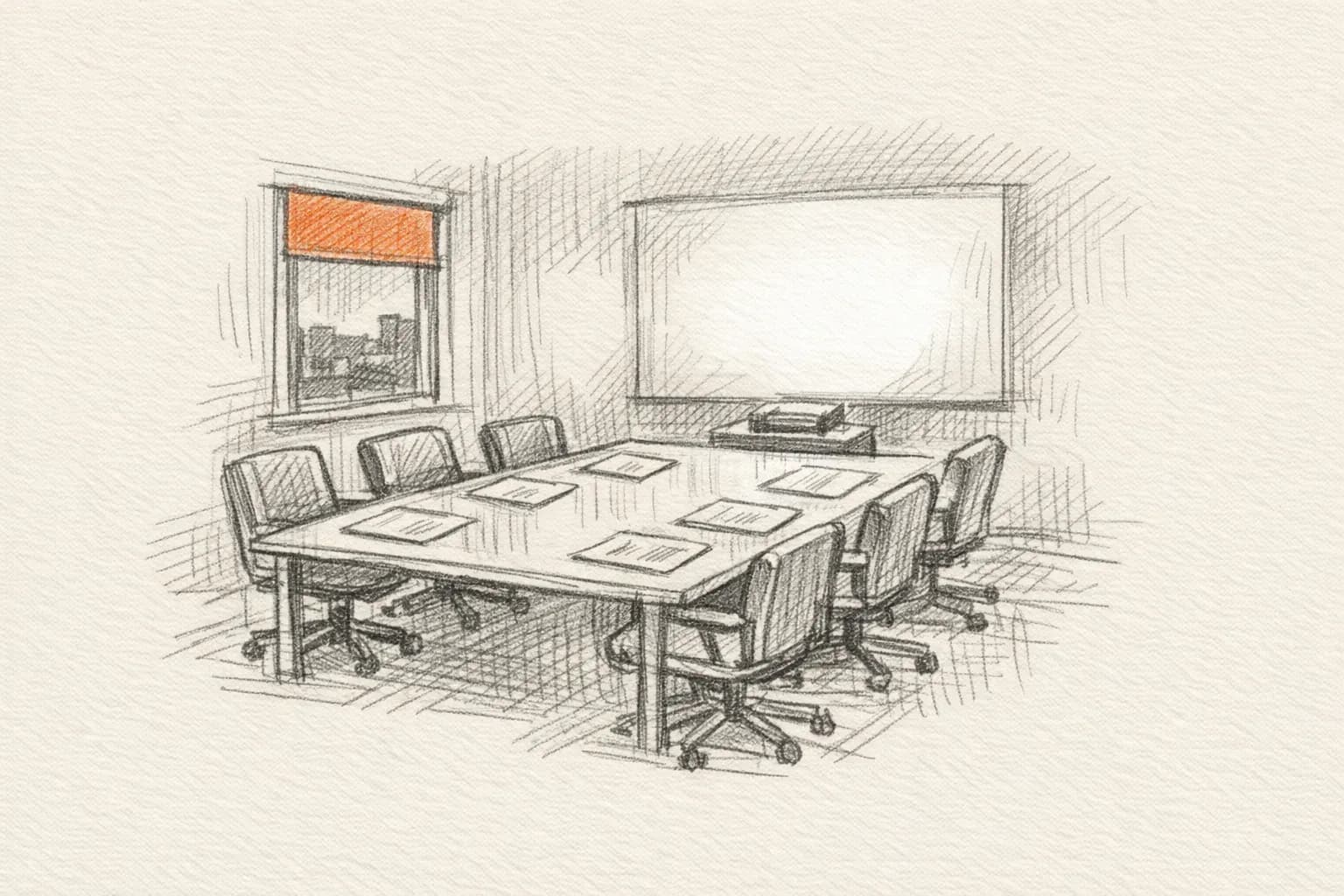
Board and investor interface
Updates that read as leadership. Next-round timing, dilution maths, a term-sheet sanity check before the lawyer sees it.
Three ways to get it done.
Every seed founder picks one of these, knowingly or by default.
Hire a full-time COO
The permanent answer to a problem that is often temporary.
- Search and onboarding take months of runway
- Full salary, and usually equity
- Stays whether the work needs them or not
- Learns the company on your clock
Carry it yourself
Free on paper.
- Paid for in product and fundraising time
- Every decision still routes through one person
- Nobody gives the model a second read
- The rhythm stops when you are away
A second operator, beside you
Someone who has sat in your seat, working with you for as long as it helps.
- Starts with a free thirty-minute call
- Two weeks in the trenches, fixed length
- An exchange that fits your stage: equity, cash or a mix
- Ends when the team moves without you in the middle
Hire a full-time COO
Carry it yourself
A second operator, beside you
The permanent answer to a problem that is often temporary.
Free on paper.
Someone who has sat in your seat, working with you for as long as it helps.
What founders ask.
Straight answers to the questions that come up on most calls.
How much structure does a startup need?
Less than you think. A few habits that keep a fast team pointed the same way: one weekly conversation that ends in decisions, a handful of numbers, clear owners. Anything heavier slows you down, so it stays light and changes as you grow.
When should a seed founder bring in an operator?
When every decision still routes through you and the team is waiting. For most founders that arrives well before the money does.
What do I get at the end of the two weeks?
A three-page synthesis and a prioritised action list your team can argue with on day one. If the plan is clear enough to run without me, you run it.
Will you take equity?
Yes. With founders the exchange is usually part equity, part cash, weighted to your stage and runway. We agree it after the diagnostic sprint, once we both know the size of the work.
How much of my time does it take?
The sprint needs access more than time: the numbers, the board materials and a few conversations with the team. The retainer runs inside meetings you already hold.
What happens when the retainer ends?
Your team keeps the habits that worked and drops the ones that did not. It usually becomes an occasional call.
Read before you call.
Written from the founder’s seat: the decisions that cost most at seed, and the templates I use to make them.


Founder to founder. Start with a call.
Thirty minutes with Tanuj. Free, no prep. You leave with a next step, whether or not we work together.